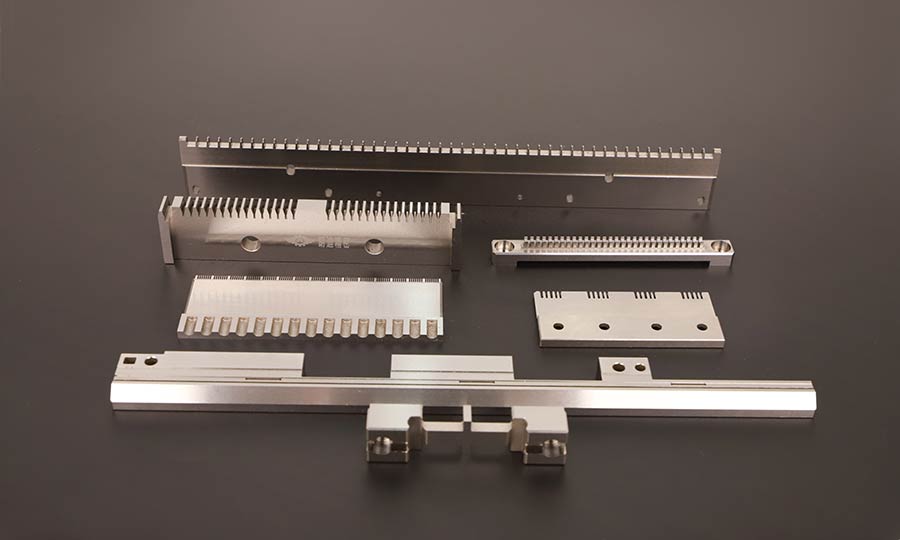
A mechanical component is an individual part or element that plays a specific role in a mechanical system, contributing to its function, motion, or structural integrity.
These mechanical components are often combined to form assemblies or machines, enabling movement, force transmission, or control in devices ranging from simple tools to complex industrial systems.
Compared to the mold components, mechanical components have lower precision requirements. But some of their shapes may be more complex that increase the machining difficulties. for example, bigger than the mold components, and longer than the precision mold components. Some mechanical components can be more than 2 meters.
Mechanical components include many different materials. Except for the common tool steel, there are also aluminum alloy, copper/bronze, and plastic material, for example, PEEK, Bakelite, Resin, etc.
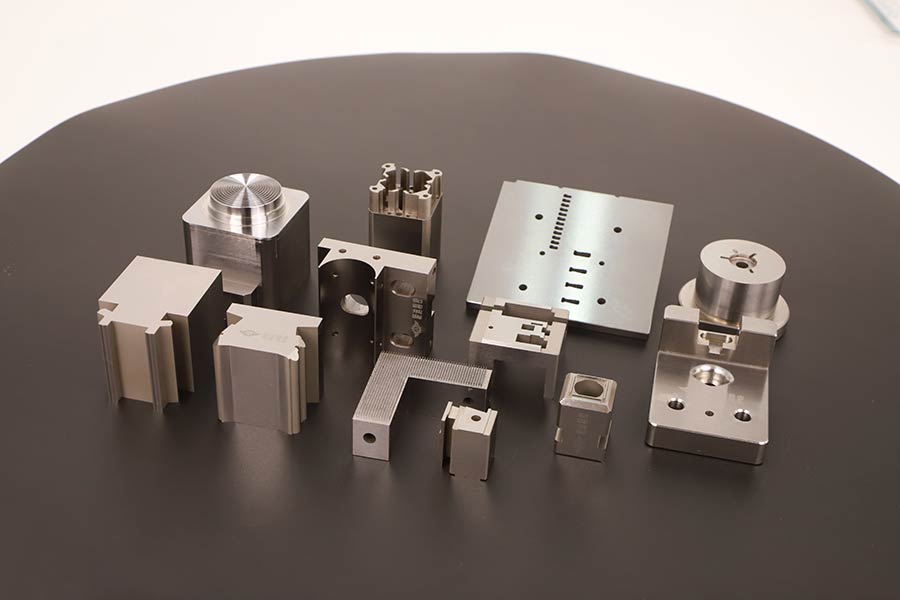
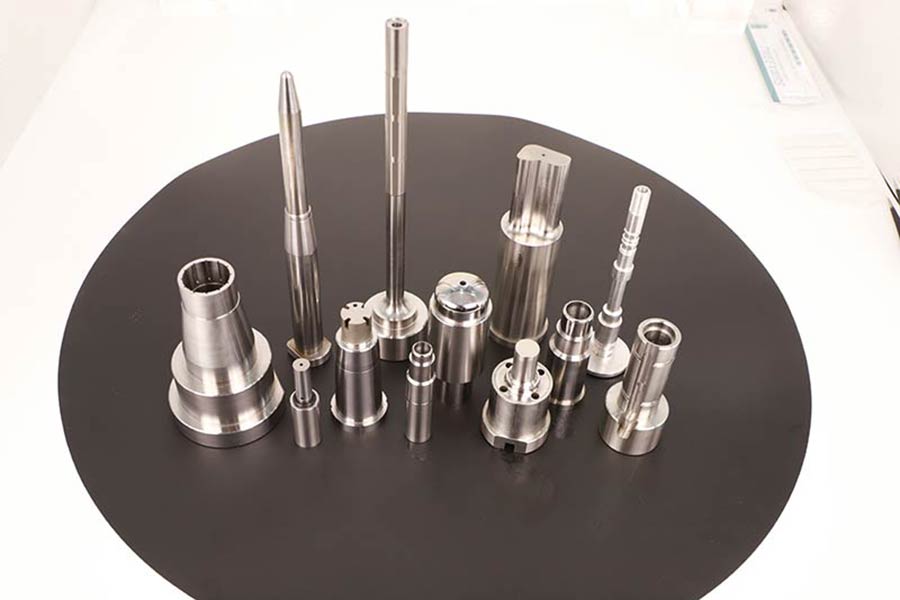
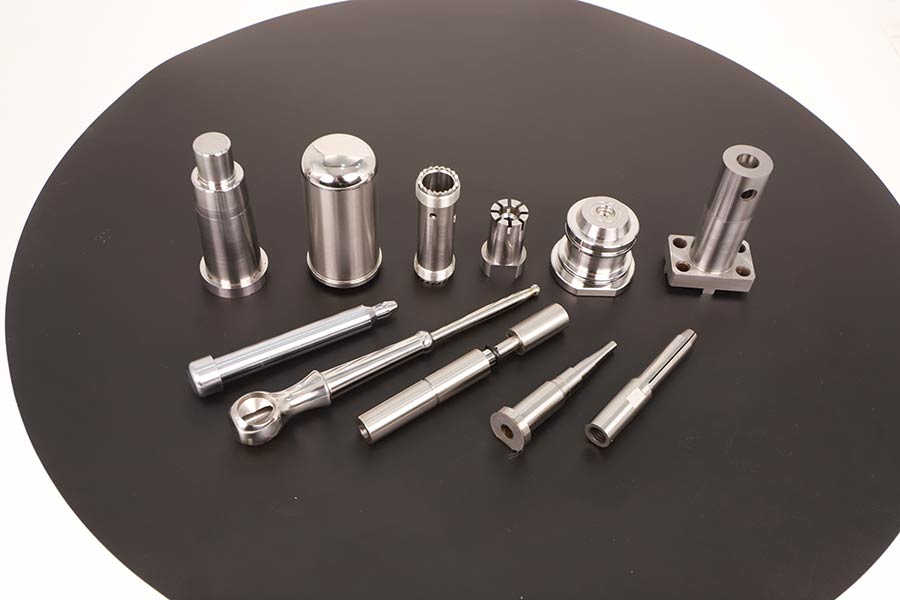
Key Characteristics of Mechanical Components:
- Function-Specific: Designed for tasks like transmitting power (gears, shafts), supporting loads (bearings, frames), or controlling motion (springs, linkages).
- Standardized or Custom: Some are mass-produced (e.g., screws, bolts), while others are custom-machined for specialized applications.
- Material-Dependent: Made from metals (steel, aluminum), plastics, ceramics, or composites based on strength, wear resistance, or environmental needs.
- Precision Requirements: comparatively require lower tolerances (e.g., ±0.01 mm) for proper fit and function. But if the tolerances made better, it would be better for use.
There are many Industries Using Mechanical Components. For example, Automotive, Aerospace, Medical, Robotics, Industrial Machinery, and many custom automation machine systems.
Mechanical components manufacturing process:
- There are various ways to manufacture mechanical components, for example, they can be made via below methods:
- CNC Machining (for high-precision metal parts or custom precision individual parts).
- Injection Molding (plastic components that can be made through bulk production).
- Stamping/Forging (mass-produced metal parts).
- 3D Printing (prototyping or complex geometries).
Common Examples of Mechanical Components:
Specialized Components: Cams, Linkages, and Seals & Gaskets.
Motion & Power Transmission: Gears, Bearings, Shafts & Axles, and Pulleys & Belts.
Fastening & Joining: Bolts/Nuts/Screws, Rivets, Keys & Pins.
Structural & Support: Frames/Housing (e.g., engine blocks), Brackets like Mount components to surfaces.
Control & Regulation: Springs, Valves, Clutches & Brakes.
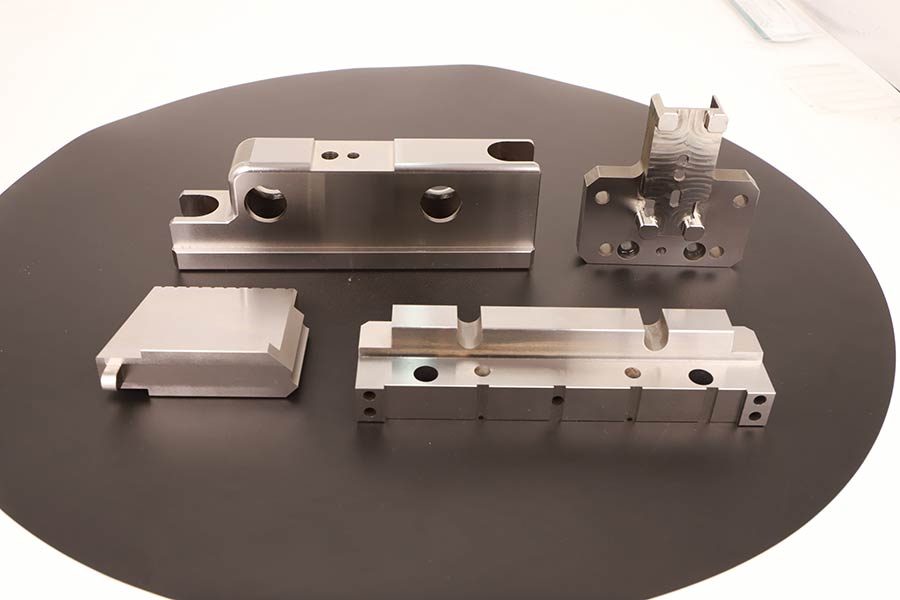
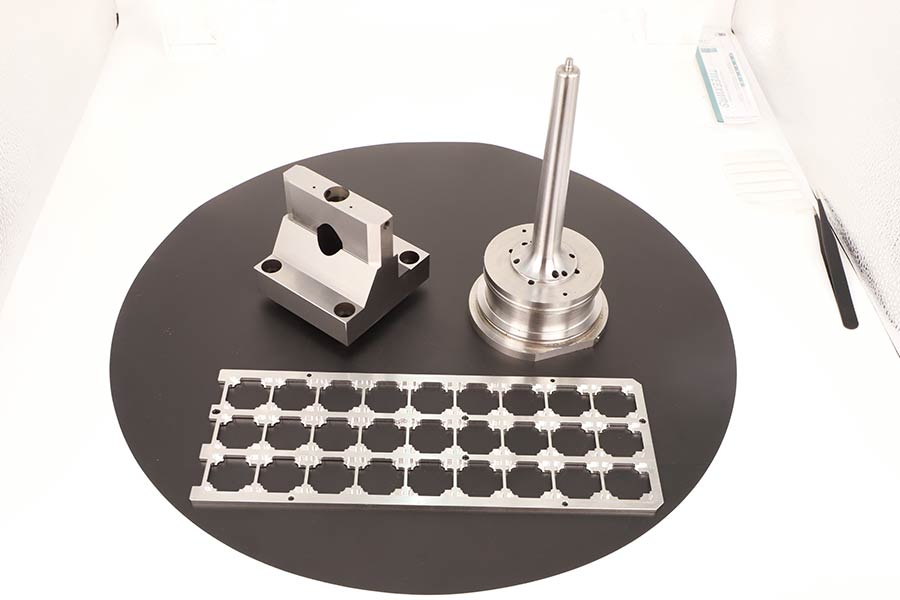
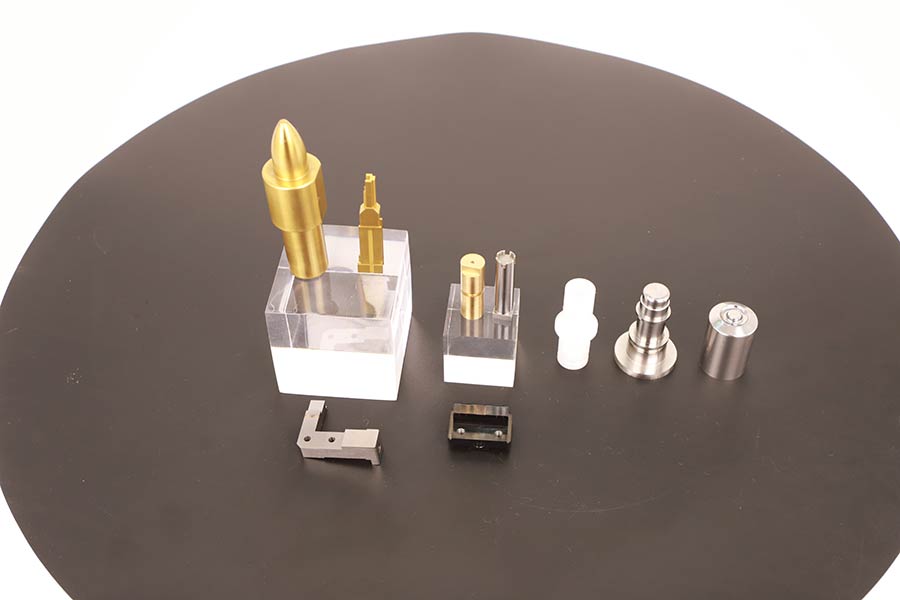
Precision mechanical components manufacturer
A good precision mechanical components manufacturer may need the following key aspects to be considered.
Processing ability: CNC Machining (Milling/Turning), Swiss Machining (for small, complex parts), Grinding (Surface, Profile, Cylindrical, Centerless), Wire EDM (for hard metals), 5-Axis Machining (for complex geometries).
Tolerances & Precision: Look for manufacturers capable of tight tolerances (e.g., ±0.001mm or better) for CNC machining, grinding, or EDM processes.
Materials Expertise: Ensure they work with your required materials (e.g., stainless steel, aluminum, titanium, plastics, or exotic alloys).
Industry Experience: Medical, aerospace, automotive, or defense sectors often require specialized precision.
Certifications: ISO 9001, AS9100 (aerospace), or ISO 13485 (medical) may be required.
In conclusion, hope our introduction to mechanical components is helpful for you. If you have any questions, please feel free to discuss with us.